"Wala na, papalitan na tayo ng AI."
I hear some version of that almost every month, usually from someone who has not written their first production line of code yet.
The worry is not imaginary. The Stanford Digital Economy Lab found that U.S. workers aged 22 to 25 in AI-exposed occupations are employed at a rate 19% below where they would be had they kept pace with less-exposed peers, using ADP payroll data through June 2026.
I started at GCash in 2024, before that gap was a headline. If I were graduating this year, I would be applying straight into it.
So I will not tell you it is easy. I will tell you I think this is still the best time to become a software engineer, and that the thing most likely to knock you out of the field is not AI. It is pace.
I sprinted the first kilometer
My first year, I treated effort as proof. I worked outside office hours, joined more trainings than required, and took every task I could find.
I also had a habit I can only describe as chronic: every morning I wrote a checklist, and the moment I finished it, I added more. Then more. Whatever I could squeeze into the day, I squeezed in.
It took a toll on my health. Burnout does not feel like hustle when you are inside it. It feels like being tired in a way sleep does not fix.
Then I caught AI psychosis
At the same time, I picked up a new hobby: watching engineers and creators talk about the future of our jobs. The Primeagen, Fireship, Lauren Tan. Then AI news channels on top of that.
The ones I learned the most from were also the ones that wore me out. IndyDevDan taught me the latest agentic engineering setups, and I still use ideas from his videos. But the tooling changed almost every week. Every new release felt like a race I was already losing.
The feeds split into two camps. Purists who rejected AI entirely, and people who used it for everything, including their thinking. Watching both made me anxious about both.
I landed in the middle, and I think that is where you should stand too:
- Decide, then delegate. I design how the pieces fit, then let AI write the boilerplate, scaffold the code, and read documentation for me.
- Keep the judgment. I can read the logs myself, explain the system in plain language, and tell when a suggestion is a complicated answer to a simple problem.
- Ignore most releases. A new tool is worth learning when it solves a problem you have this week, not because it trended this week.
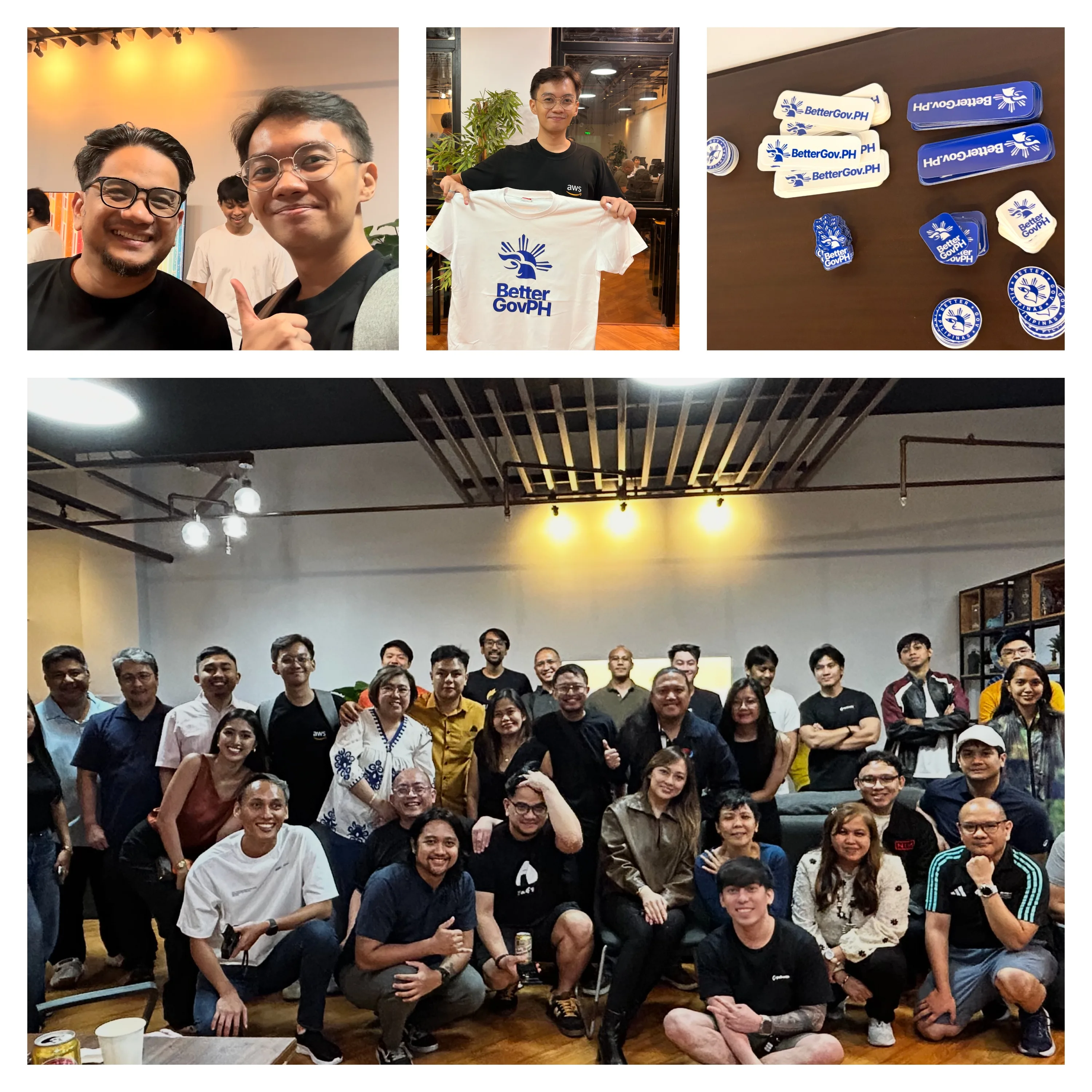
I turned this into a workshop for AWS User Group Philippines' Build Over Nights on September 26: Level Up: AI-DLC with Kiro. Using Kiro, it walks through defining the outcome, reviewing the AI's plan before it writes code, and validating what comes back. You stay the one making the calls.
What three fun runs taught me
This year I started joining fun runs.
- March 22: GCash Run, 10 km.
- April 5: Olympus Hades Run, 18 km.
- October 11: Puma Run, 21 km.
Running taught me something my career had not. If you sprint the first two kilometers of a 10K, you are out of breath before the halfway mark. Nobody remembers who led at kilometer one. What matters is whether you finish.
So I ran my workday the same way. I still write the morning checklist. The difference is that I stop when it is done.
I am a Lead II Software Engineer now. I did not get there by sprinting.
Why this is the best time to start
Here is what changed my mind about the doom.
When I started in 2024, I assumed building AI for Philippine languages was a job for research labs. Today I do it from a laptop, on weekends, with a community.
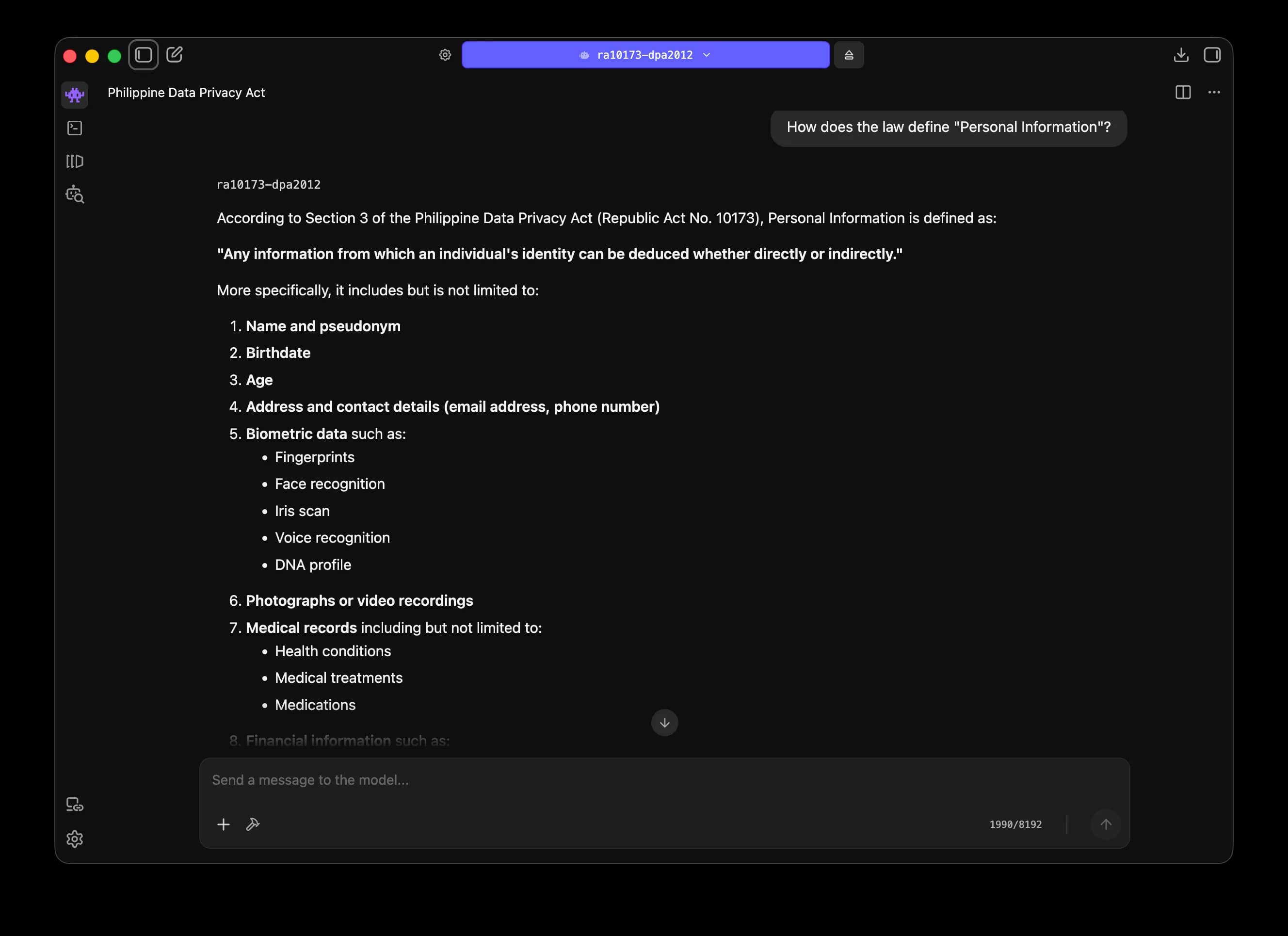
I volunteer with SapinSapin AI, a community effort to build AI for Philippine languages instead of leaving them to foreign frontier labs. The team has published 48 open-weight models and 9 datasets on Hugging Face, covering speech recognition, text-to-speech, and language models for Filipino, Cebuano, Bikol, Hiligaynon, Ilocano, Kapampangan, Pangasinan, Tausug, and Waray.
My part is the speech track. I fine-tuned Whisper for speech recognition and SpeechT5 for text-to-speech on a free Colab GPU, then started building training recipes for a 448-hour speech corpus across 10 languages.
My first speech recognition run lost to the team's existing baseline. I kept going. On the diagnostic set in our speech experiments page, word error rate went from 52.58% on the base model to 31.02% after adaptation. Still a long way from good, but moving.
The more useful lesson came before training. The corpus looked ready. It was not: 56% of it was isolated single words, and its official split let the same speakers appear in both training and testing. Filtering took it from 305,246 raw segments to 4,857 usable sentences. No AI tool flagged that for me. Looking at the data did.
We are about to deploy our first fine-tuned speech models for people to actually use, with more to follow.
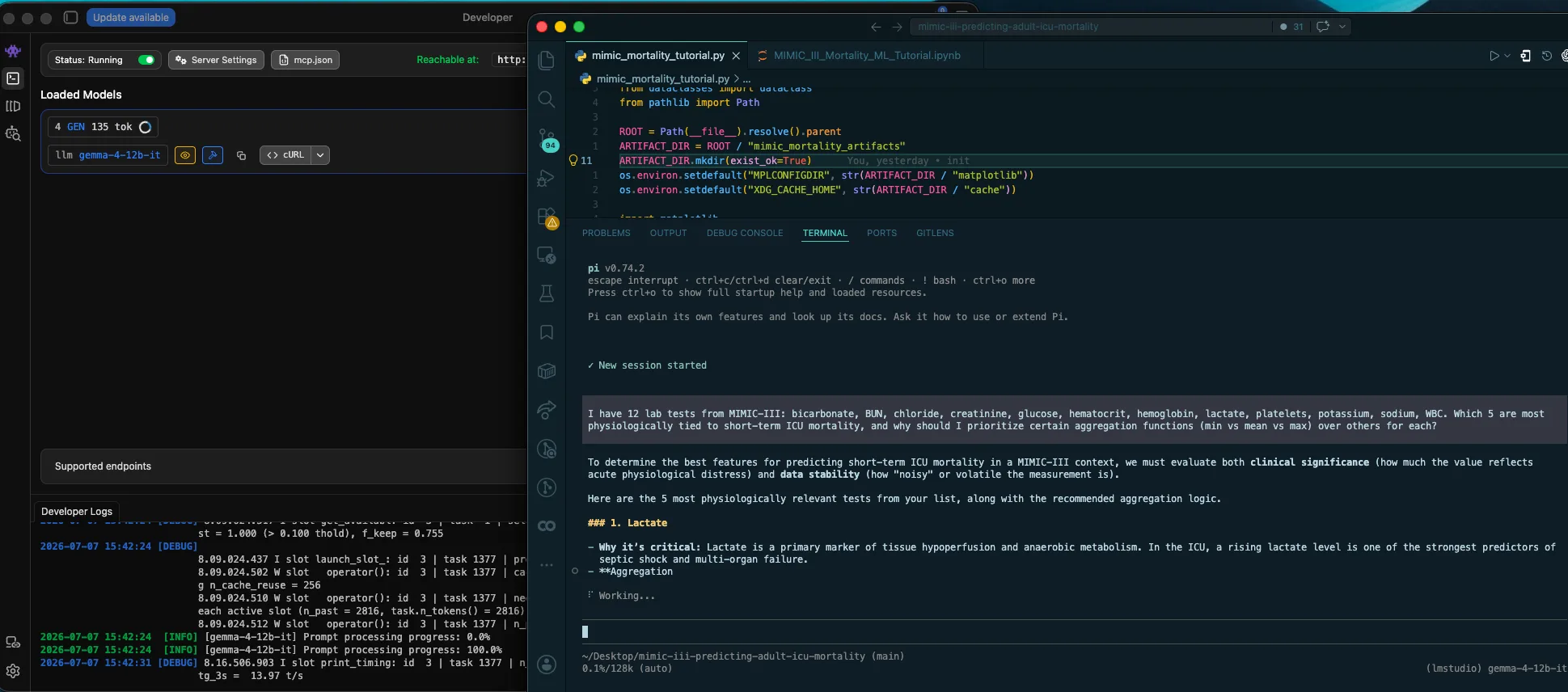
The same goes for running models on a phone. With Experimental Machines, I built OpenWeights iOS, an experimental iPhone app that downloads open-weight models from Hugging Face and runs them on-device. On an iPhone 16, our benchmarks measured LFM2.5 1.2B streaming at 65.3 tokens per second. No server, no subscription, no internet once the model is downloaded.
And none of this happens alone. I am part of the core leadership team at Data Engineering Pilipinas, where I have shipped 11 merged pull requests to the DEP Data Engineering Open Track, a free program for learning data engineering.
That is the part the "AI will replace us" feeds miss. AI made it cheaper than ever to build something real, and communities made it easier than ever to find people building with you.
Pace yourself, then join us
AI did not end the race for new developers. It changed which pace wins it.
If you want a place to start, SapinSapin AI has models to try, demos to break, and a Discord where you can ask how to help. Bring your weekends, not your burnout.